Safety is one of the first considerations parents have when looking at karate training.
Two concerns tend to come up consistently. One is whether training may encourage aggressive behaviour. The other is the risk of injury during practice.
In our experience, children do not become more aggressive through structured training. Most already have energy or impulsive tendencies—they simply lack a consistent way to manage it.
Training provides that structure.
- Knowing one’s own strength often reduces the need to use it.
This becomes more apparent over time. Students who train consistently, particularly at higher levels, rarely initiate conflict. The emphasis shifts from expression to control.
A useful way to look at it is this: unstructured environments often carry more risk than structured ones.
Injury, in most cases, is not a result of training itself, but of how sparring is designed.
At the children’s level, rules are based on control rather than impact. Techniques to the face are evaluated on distance, timing, and precision. Contact is not required—and in many cases, is considered a foul.
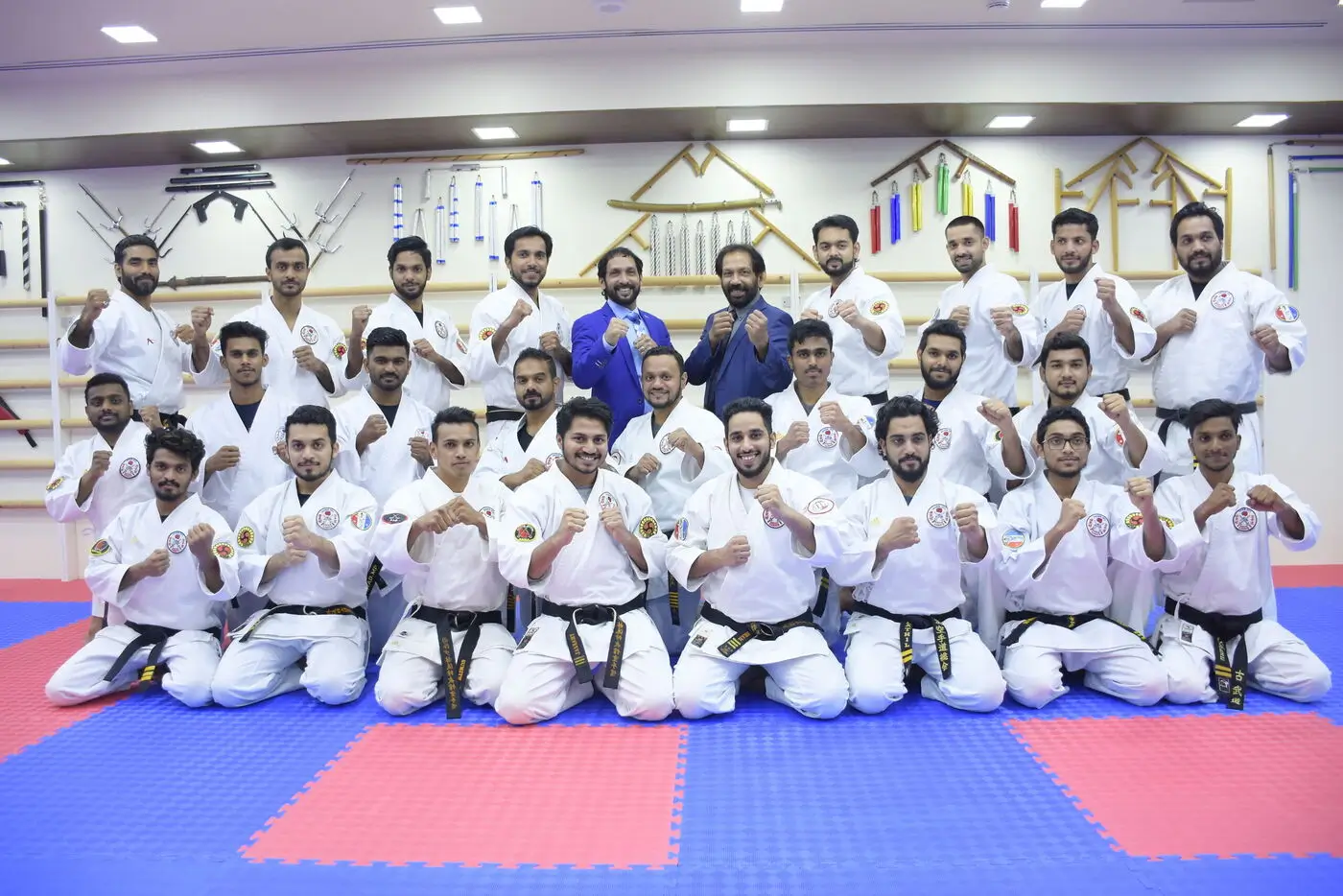
The training environment reflects this approach. Protective equipment such as shin guards, chest guards, headgear, and gloves are used, and WKF-standard mats reduce the risk associated with falls.
Safety, in this context, is not treated as a separate concern. It is built into the structure of training itself.
— Oriental Karate Team