What is Kobudo?
Kobudo & Performance Weapons Training
Understanding Kobudo at Oriental
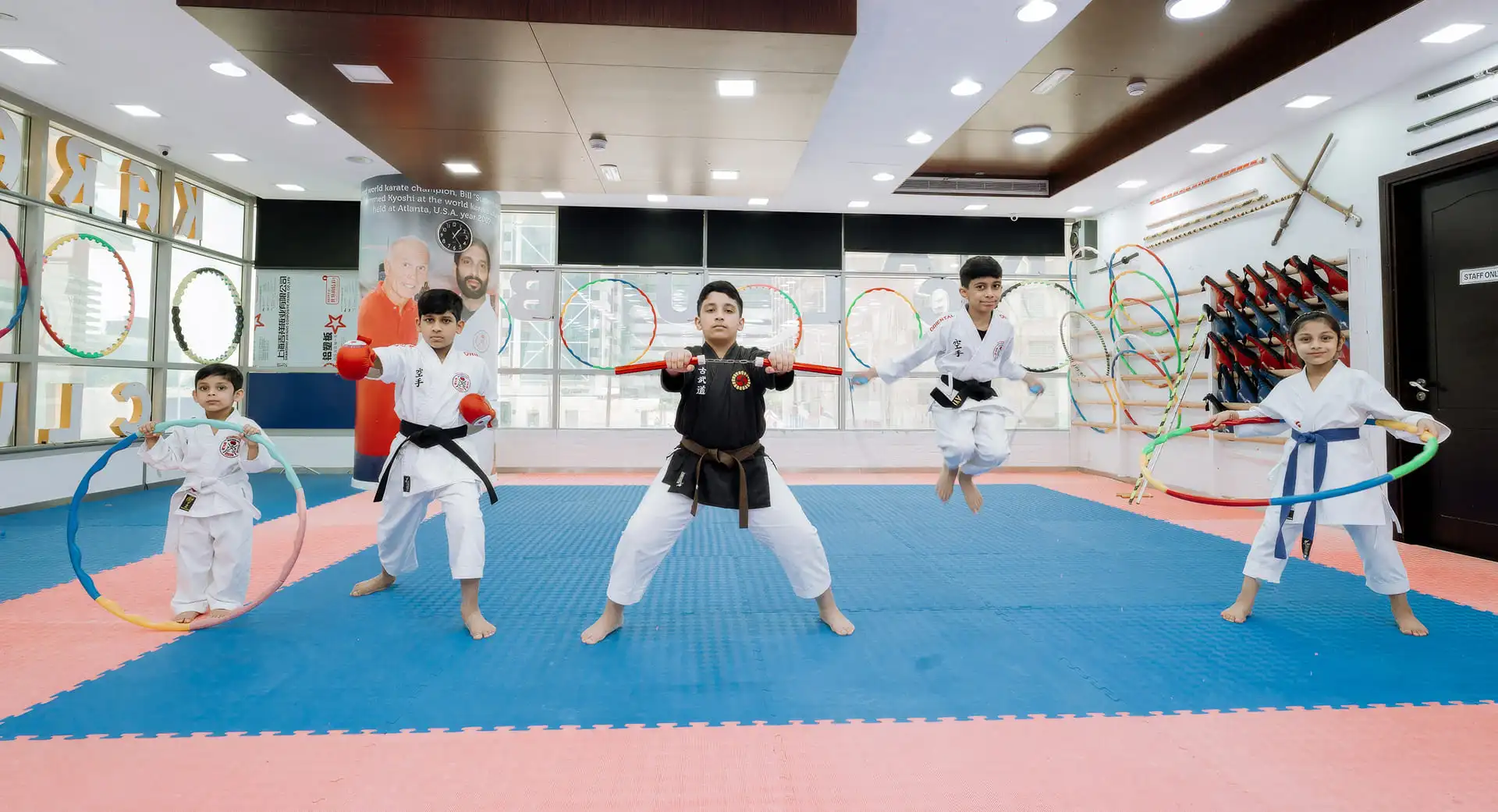
Kobudo is martial arts training with traditional tools such as the Bo staff, Sai, Tonfa, and Nunchaku.
At Oriental Karate & Kobudo Club, our program blends Okinawan Kobudo from Japan, Shaolin-inspired movements from China, and Chux training from the USA — a modern nunchaku-style system focused on coordination, speed, and control.
Students learn traditional kata, safe handling, body control, and performance choreography, making it exciting and valuable for children, teens, and adults.
Traditional Weapons
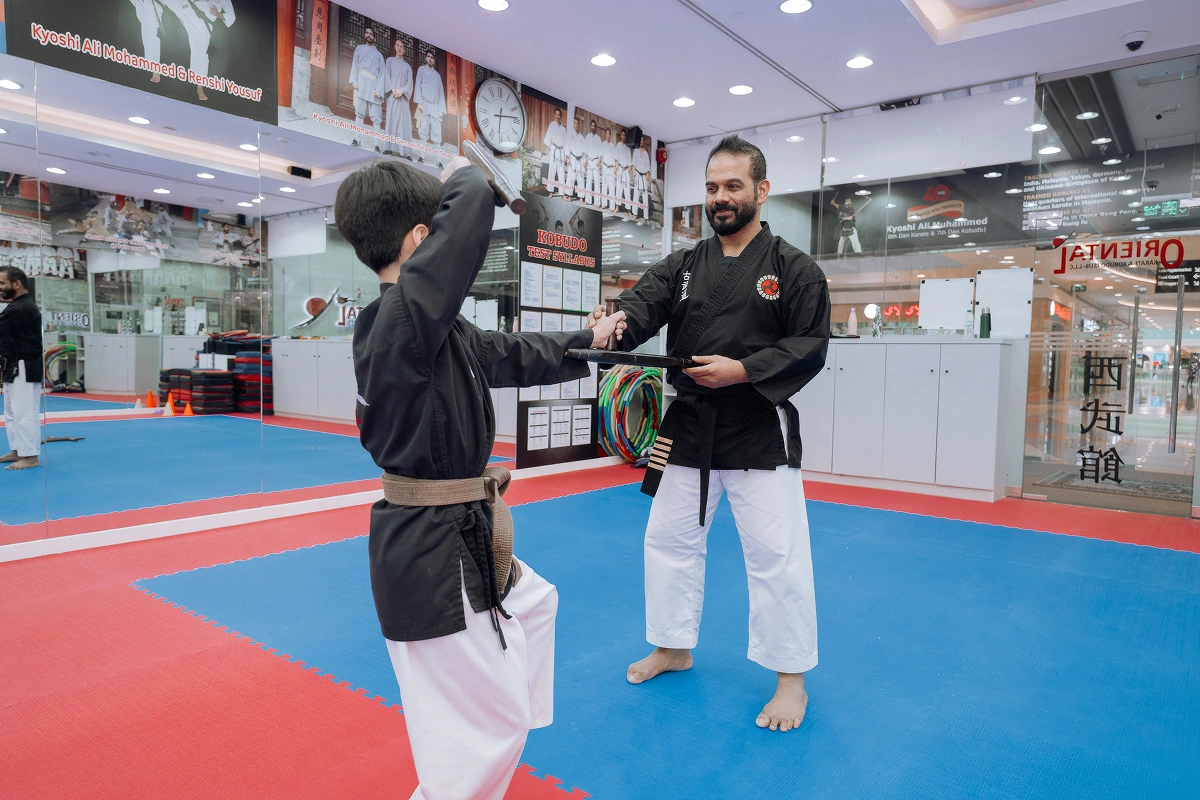
Nunchaku (Rubber available for kids)
Bo Staff
Sai
Tonfa
Double Nunchaku
Kama
Sanchaku (small and big 3 section staff)
Chux
Double Chux
Chain Whip (9 section whip)
Self Defense against weapons
Benefits of Learning Kobudo
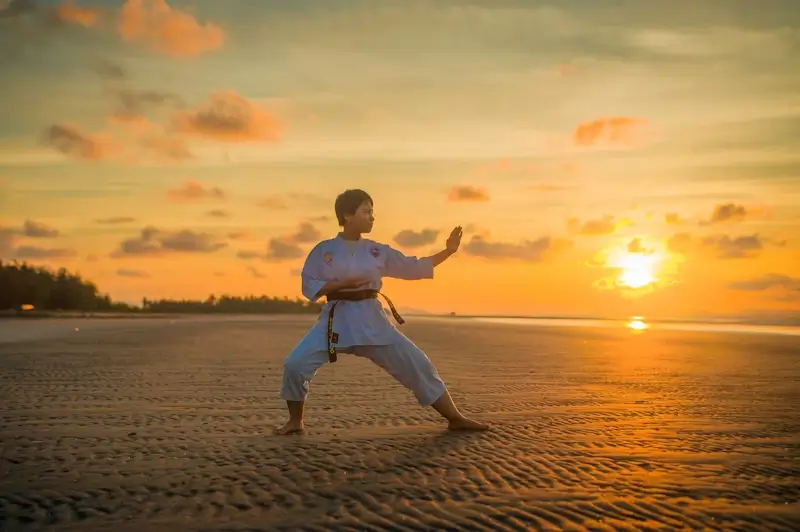
Enhanced Coordination
Weapon training improves hand-eye coordination and spatial awareness
Advanced Skills
Complements empty-hand karate with weapons mastery
Traditional Art
Preserves ancient Okinawan martial traditions
Cultural Understanding
Deepens appreciation for martial arts history and philosophy
Same principles
Shared stances, footwork, and body mechanics across both arts.
Sharper skills
Weapon training refines reflexes and overall martial ability.
Complete system
Together they form a fuller traditional education.