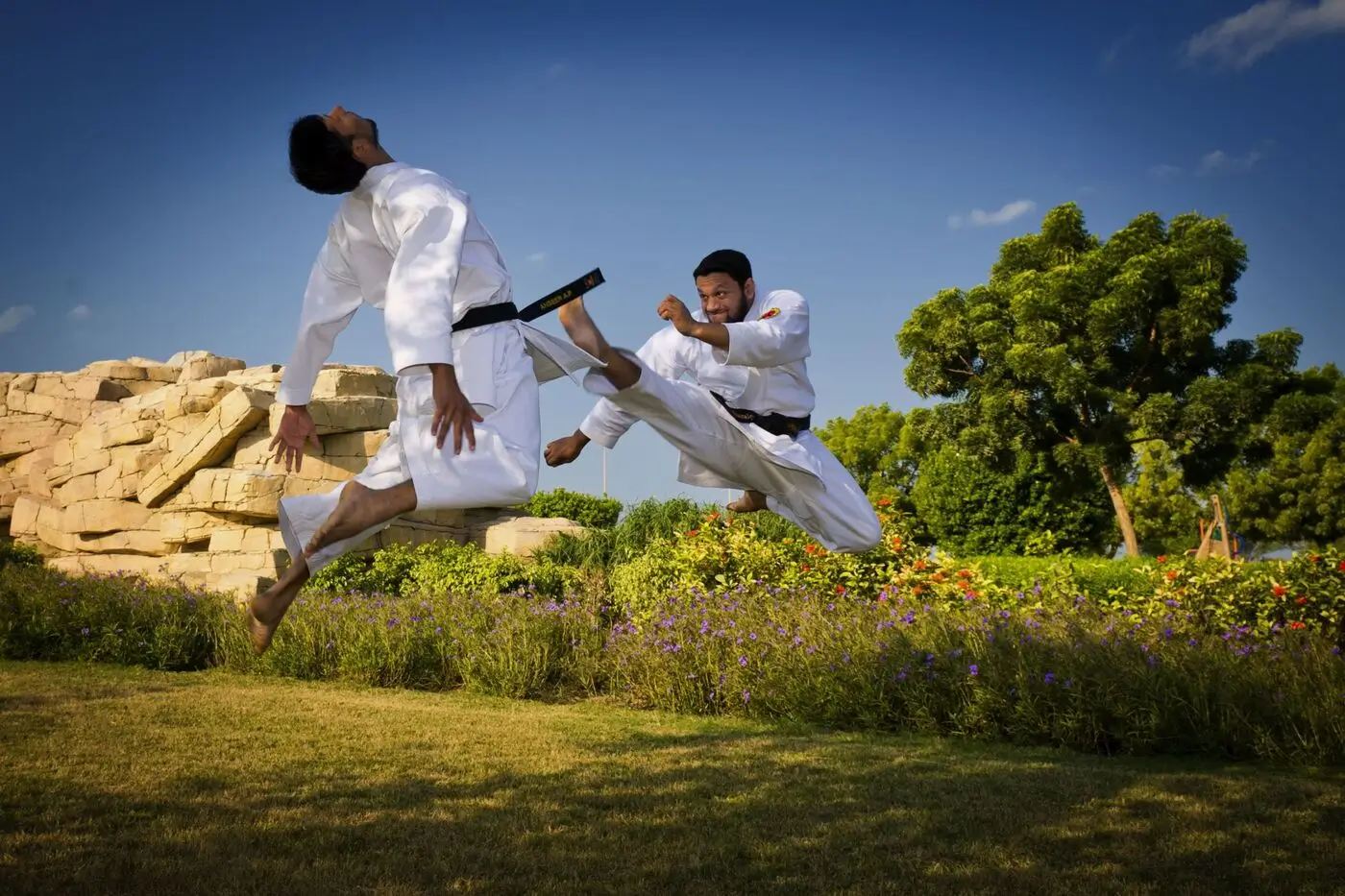
Progress in training is often compared.
Parents notice when other children move ahead—especially after periods like school breaks or travel—and naturally begin to question why.
In practice, improvement is less about ability and more about continuity.
- Progress in children’s training is less about how quickly they learn, and more about how consistently they return.
When sessions are missed for weeks at a stretch, progress does not just pause—it disrupts the rhythm children rely on.
This situation is more common than it appears. When children return after a gap, the difference becomes visible, even if it is temporary.
In most cases, progress stabilizes again once regular training resumes.
There are also phases within training that are not always obvious. Some children, especially at very early levels, take longer to settle. With the right attention and repetition, this often shifts—and many of these same children move through later stages more easily.
At other times, progression is held back for a different reason. Certain aspects of training need to be understood internally before they are shown externally.
Progress, in this sense, is not always visible in the short term. It often appears as stability—better attention, cleaner movement, and a child settling into the rhythm of training.
Over time, the difference becomes less about speed, and more about consistency.
— Oriental Karate Team